
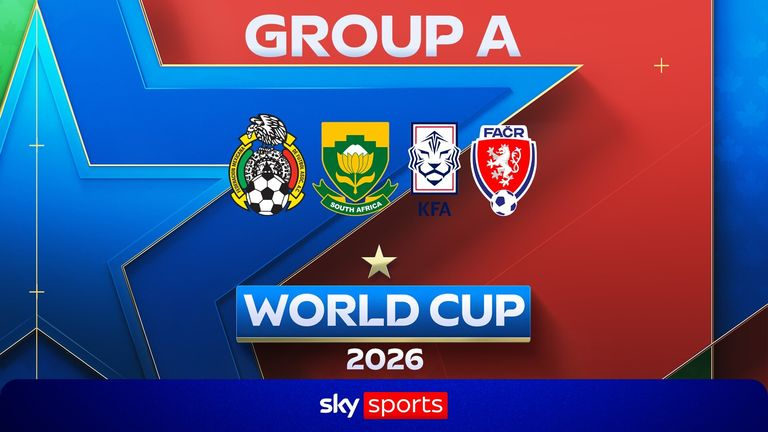
KQBD World Cup 2026 Standings – Group Tables & Team Rankings are more than just numbers — they are the roadmap to footballing glory, the battleground where nations clash for supremacy. As fans eagerly await the tournament, understanding how the group stage unfolds, and which teams are likely to dominate, offers fascinating insights into the tournament’s potential drama. You can use World Cup 2026 Standings – Group Tables & Team Rankings to anticipate match-ups, prepare predictions, or simply deepen your appreciation of the sport. Whether comparing historical performances or exploring emerging powers, these standings serve as a strategic compass for fans, pundits, and analysts alike.
The Road to the World Cup – How Group Tables Shape Tournament Outcomes
Understanding the significance of the World Cup 2026 Standings – Group Tables & Team Rankings begins with recognizing their vital role in shaping the tournament. The group stage is where dreams are made or broken, and the standings directly influence knockout dynamics. This section delves into how the initial group configurations, points accumulation, and goal differences create a landscape that can favor favorites or surprise upsets.
The Importance of Group Dynamics in the World Cup
The group stage is often regarded as a testing ground, where teams can measure themselves against regional adversaries and adjust strategies before the knockout rounds. The World Cup 2026 Standings – Group Tables & Team Rankings reveal not just who is leading but also who is struggling to keep pace. A team’s position reflects its ability to adapt, perform under pressure, and outscore rivals across group fixtures.
Furthermore, the importance of rankings becomes evident when examining tiebreaker scenarios. For example, if two teams finish level on points, goal difference often becomes the critical criterion. Smart analysis of the group standings allows coaches and fans to anticipate possible tie-break situations, which can influence tactical decisions and morale moving forward. Shifting standings during the group phase also add unpredictability, making the standings dynamic and exciting.
Using Standings to Predict Who Will Advance
Fans and analysts use the World Cup 2026 Standings – Group Tables & Team Rankings to forecast possible outcomes. By scrutinizing points, goal differences, and recent form, they develop educated guesses about which teams are most likely to advance. For example, a team with a strong goal difference and consistent results may be favored to top the group, setting up a favorable knockout path.
In practice, these standings integrate past performance data, injury reports, and tactical matchups to inform predictions. For instance, if a lesser-ranked team dominates their group, they could cause significant upsets in the knockout stages. Conversely, a top-ranked team finishing second may face tougher opponents early on. Studying the standings also helps identify underdog stories, which are often the most thrilling aspect of the tournament.
How the Standings Influence Tournament Strategies
Teams examine the World Cup 2026 Standings – Group Tables & Team Rankings to formulate match strategies. Leaders might adopt a conservative approach to secure points, while trailing teams may push for bold offensive plays to climb the table. Coaches use standings to decide whether to prioritize goal difference, which can be a crucial tie-breaker.
Strategic adaptation based on standings becomes particularly important in the final matches of the group stage. For instance, if a team needs only a draw to advance, their approach will differ significantly from one needing a win. Moreover, considering standings influences substitution patterns, defensive tactics, and even psychological conditioning. Knowing where they stand helps teams not just plan ahead but also maintain focus amid the tournament’s intense pressure.
Analyzing Emerging Powers and Traditional Giants in the Standings
The World Cup 2026 Standings – Group Tables & Team Rankings often highlight the evolving landscape of international football. While traditional powers tend to dominate, emerging nations are increasingly breaking through, reshaping expectations. This section explores how the standings reflect the shifting balance of global football strength.
Traditional Powerhouses — Maintaining Dominance?
Historically, nations like Brazil, Germany, Argentina, and France have held commanding positions in the World Cup 2026 Standings – Group Tables & Team Rankings. Their consistent qualification, combined with high rankings, makes them favorites to advance deep into the tournament. These teams benefit from robust football infrastructures, experienced coaching staff, and a legacy of success that often gives them psychological advantages.
However, maintaining dominance is no longer guaranteed as the global game evolves. Top teams face stiff competition from rising football nations, and the standings can fluctuate rapidly. For example, a recent shift in the standings might reveal a powerhouse struggling in the group stage because of transitional phases or new tactical approaches employed by rivals.
Rising Nations — Challengers on the Rise?
Emerging football nations are increasingly making their mark in the World Cup 2026 Standings – Group Tables & Team Rankings. Countries like Senegal, Japan, or the United States are climbing the ranks thanks to investment in youth development, innovative coaching, and strategic player selection. These teams are often seen as dark horses capable of causing major upsets.
The standings reflect this momentum, often featuring these nations high on the points table or with impressive goal differences. Their presence disrupts traditional expectations and adds layers of unpredictability to the tournament. Observing their progression through the standings offers a glimpse into the future of global football power dynamics.
Comparative Analysis — Power versus Potential in the Standings
Comparing established giants with rising countries directly through the World Cup 2026 Standings – Group Tables & Team Rankings provides valuable insights. While tradition might favor Brazil or Germany, current form and recent competitive results may place emerging powers ahead in the rankings. This comparative analysis helps identify who has the momentum and who might underperform based on historical prestige alone.
Analyzing the standings allows strategists to assess strengths and weaknesses. Legacy teams may rely on depth and experience, whereas rising nations tend to leverage tactical innovation and team cohesion. These differences influence how the standings evolve during the tournament and predict potential upsets or breakthroughs.
Implications of the Standings for Future Development
The current World Cup 2026 Standings – Group Tables & Team Rankings contribute to long-term planning for football federations. Successful nations often reinvest in youth academies and infrastructure, aiming to replicate the success shown in standings. Conversely, lower-ranked teams use standings as motivation to improve their methods and resources.
The standings also serve as benchmarks for success, inspiring national programs to develop future talent. Countries that perform well in the standings tend to see increased investment and popularity, fueling a cycle of growth. Over time, this dynamic reshapes the influence and development of football across continents.
The Strategic Role of Standings in Shaping World Cup Narratives
The World Cup 2026 Standings – Group Tables & Team Rankings do more than reflect current performances—they shape the narrative of the tournament. Fans, media, and commentators analyze these standings to tell stories of hope, resilience, and potential glory. This section explores how the standings influence storytelling, expectations, and the overall fabric of the World Cup experience.
Building Tournament Narratives from Group Tables
Standings are the backbone of the tournament’s narrative. Imagine a dark horse emerging from the depths of the standings to top their group — that becomes a story of underdog triumph. Conversely, a familiar powerhouse struggling in the lower echelons creates tension and excitement about possible upsets.
The narrative themes often follow the standings: hope for redemption, underdog victories, or the dominance of favorites. These stories fuel fan engagement and media coverage, turning the standings into a living chronicle of unfolding drama. The way teams pivot around their positions in the standings changes the emotional landscape of the tournament.
Expectations and Media Framing Based on Rankings
Media outlets scrutinize standings daily, framing stories around who is exceeding expectations or underperforming. A team leading their group might be viewed as the favorite to lift the trophy, whereas a lower-ranked team could be portrayed as a Cinderella story in the making.
Public expectations become intertwined with the World Cup 2026 Standings – Group Tables & Team Rankings. High rankings generate confidence and momentum, while lower positions can create pressure and scrutiny. This dynamic influences tactical decisions, coaching interviews, and fan enthusiasm, making the standings central to the tournament’s storytelling.
The Influence of Standings on Fan Engagement and Support
Fans rally behind colorful narratives based on standings—cheering for underdogs or celebrating the consistency of established giants. When a team climbs the standings unexpectedly, it sparks a surge of national pride and global interest. Supporters often parlay standings into chants, festivities, and social media campaigns, elevating the tournament’s atmosphere.
Furthermore, standings provide fans with a sense of progress and hope, especially in matches where their team might seem to be on the brink of elimination. They serve as a scoreboard not just of points but of dreams fulfilled or dashed, fueling passion and collective identity around the sport. The World Cup 2026 Standings – Group Tables & Team Rankings thus influence not just who advances but how fans experience the entire World Cup journey.
Conclusion
The Bảng xếp hạng World Cup 2026 Standings – Group Tables & Team Rankings are essential tools for understanding the tournament’s evolving landscape. They reveal the current strengths and weaknesses of participating nations, influence strategic decisions on the field, and serve as the foundation for compelling narratives. As the standings fluctuate and surprise layers unfold, they continue to be a vital element that elevates the World Cup from a mere competition to a global spectacle of hope, resilience, and footballing excellence. By keeping an eye on these standings, fans and analysts alike can better grasp the unfolding drama, making every match a chapter in the ongoing story of football’s greatest competition.